


Planning a wedding is one of the most exciting milestones in life, but let’s be honest, it can also feel overwhelming at first. That’s why having a clear wedding planning checklist and a simple plan to follow makes the entire process much easier (and way more enjoyable).
With this helpful wedding planning guide, and the support of an experienced venue like Banquets of Minnesota, you can stay organized, make confident decisions, and plan a celebration that feels personal, seamless, and unforgettable.
Start with the Essentials: Budget, Guest List & Early Decisions
Every well-planned wedding begins with a solid foundation. Before you dive into décor or dresses, focus on the early decisions that will shape your entire event.
Set Your Wedding Budget
Your budget is the guiding force behind your venue choice, vendor selections, and overall design. Talk through your priorities as a couple so you know where you want to splurge and where you’re open to simplifying.
Create Your Guest List
Even a preliminary headcount helps determine your venue size, catering needs, and timeline. Your guest list also impacts your budget, so this step is more important than most couples realize!
Choose Your Season, Wedding Vision & Ideal Date
Think about how you want your wedding to feel. Classic and elegant? Bright and airy? Cozy and intimate? A clear vision helps you make choices with confidence and simplifies the next step: finding your venue.
Tour and Book Your Venue Early
Venues often book out months (or even years) in advance. Touring early gives you time to compare layouts, amenities, and pricing while keeping your preferred dates open.
Venues like Banquets of Minnesota make things even easier by allowing you to host both your ceremony and reception in one beautiful space, removing transportation logistics and keeping the day stress-free.
Build Your Wedding Team & Book Key Vendors
Once your venue is secured, you can begin building the vendor team that will help bring your wedding to life.
Prioritize High-Demand Vendors
Your wedding planning checklist should include early outreach to some key vendors for your wedding:
- Caterers (bonus points if you’ve found a venue with in-house catering. In-house catering ensures your food is hot & fresh!)
- Photographers & videographers
- DJs, bands, or entertainers
- Florists
- Officiants
- Transportation services
- Wedding planners or coordinators
These professionals often book out far in advance, so the earlier you begin your search, the better.
Choose Vendors Who Fit Your Style
Look for vendors with portfolios that match your vision and communication styles that make you feel supported. You want a team you trust, especially on one of the biggest days of your life.
Banquets of Minnesota simplifies this step by offering a personal venue coordinator who can recommend trusted vendors suited to your style and needs.
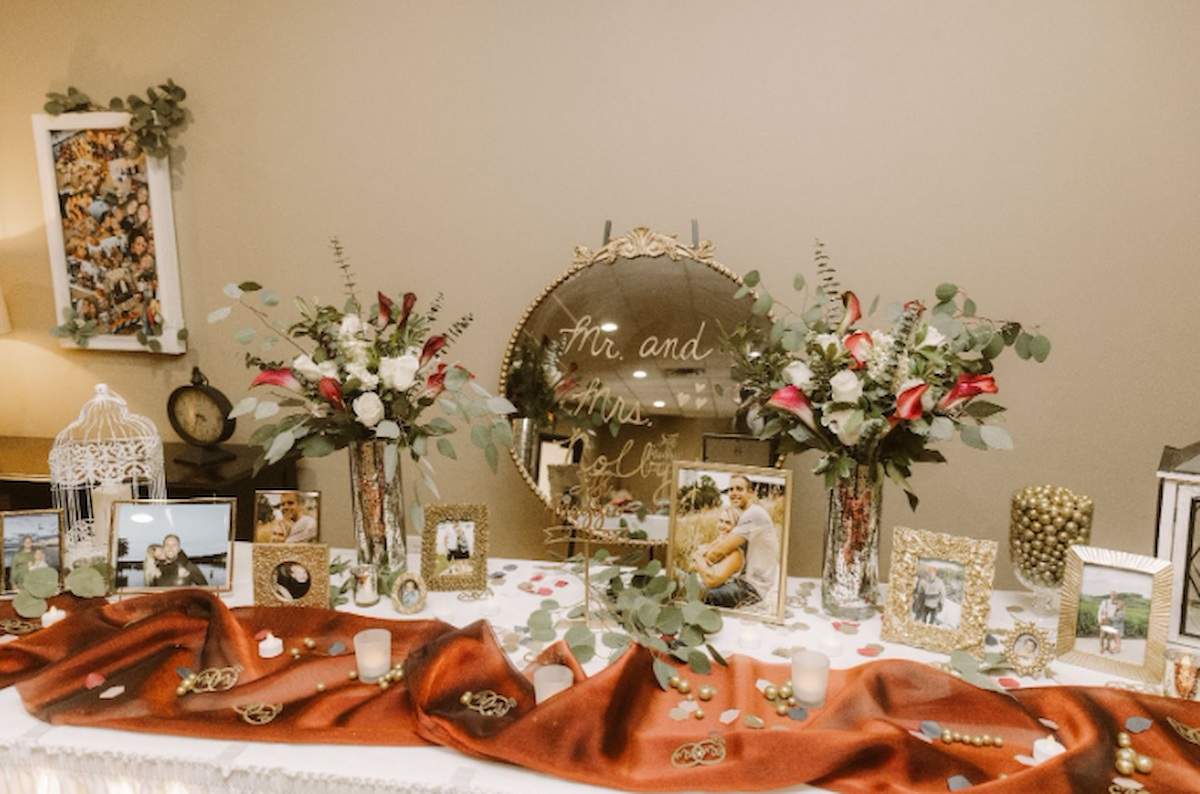
Design the Details: Décor, Menu, Attire & Guest Experience
With your core decisions made, you can shift into the creative and fun parts of wedding planning.
Create a Design Plan
Pull together inspiration for your color palette, décor style, floral design, and table settings. Consider how the features of your venue—lighting, architecture, room flow—can elevate your ideas.
Plan Your Catering & Bar Service
Think about the guest experience you want to create. Are you imagining:
- A plated dinner?
- A buffet?
- Fun food stations?
- Signature cocktails?
- Passed appetizers?
Your catering style sets the tone for your reception and should align with your vision.
Select Attire for You & Your Wedding Party
Schedule your wedding dress or suit appointments early to allow time for tailoring and fittings. Don’t forget to coordinate attire for bridesmaids, groomsmen, and family members.
Finalize Invitations, RSVPs & Guest Logistics
Once your timeline and design are in place, start working on invitations, transportation, hotel blocks, and accessibility considerations. A thoughtful guest experience goes a long way in making your wedding feel seamless.
Final Countdown: Last-Month Details & Wedding-Day Coordination
As your wedding day approaches, use your final-month checklist to tie up loose ends:
- Confirm vendor arrival times
- Finalize your ceremony details
- Send your wedding-day timeline to your vendor team
- Attend venue walkthroughs
- Finalize seating charts, place cards & décor
Banquets of Minnesota helps ensure every detail is executed smoothly, coordinating directly with vendors and handling all venue logistics so you can focus on soaking in every moment.
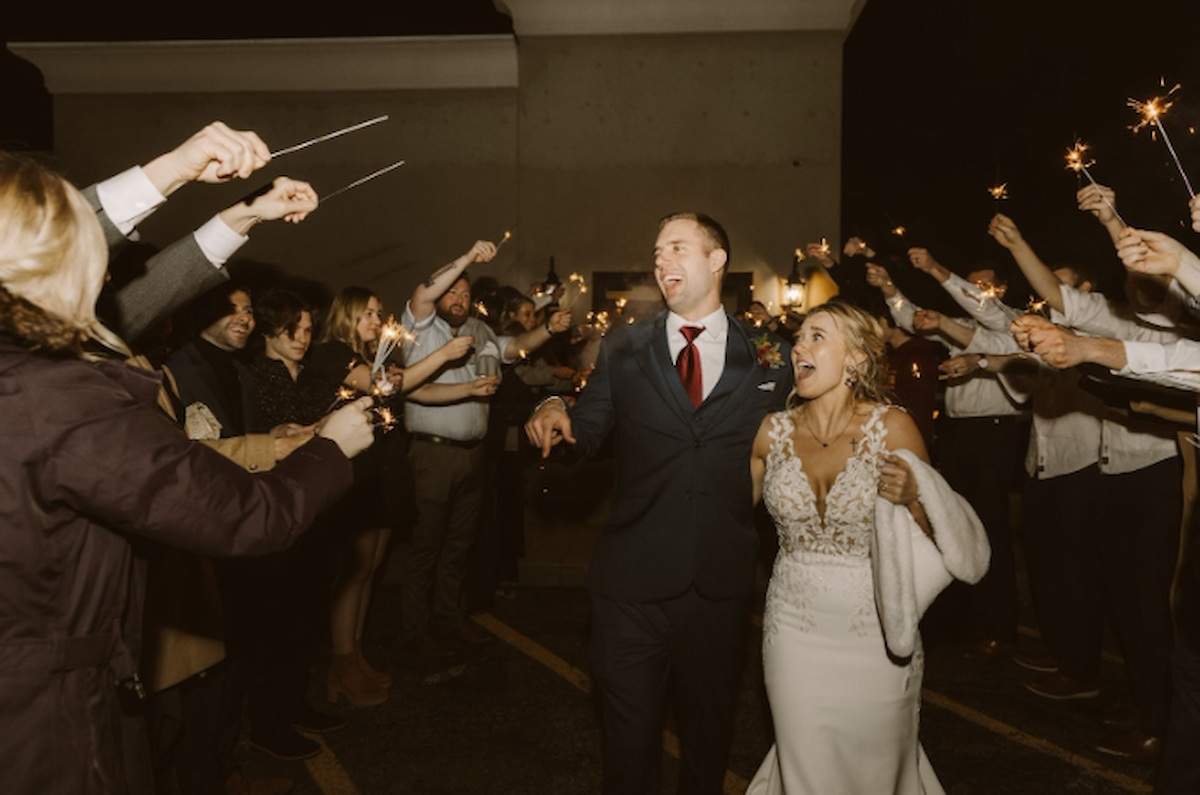
If you want a stress-free day with everything in one place, consider hosting both your wedding ceremony and reception at Banquets of Minnesota. It’s an easy way to simplify planning while still creating a meaningful and beautiful celebration.
Frequently Asked Questions for Wedding Planning:
How do I start planning a wedding?
Start by setting a budget, creating your guest list, choosing your preferred season or date, and touring venues. These early decisions guide the rest of your planning.
What should be included in a wedding planning checklist?
A wedding checklist should include venue selection, vendor bookings, décor and design, catering decisions, attire planning, invitations, and final-month tasks.
How far in advance should I plan a wedding?
Most couples start planning 12–18 months ahead, especially to secure their preferred venue and vendors. However, shorter timelines are possible with organization and flexibility.
Do I need a wedding planner?
You don’t need one, but a planner or day-of coordinator can make the process easier by handling logistics and vendor coordination. Some venues include coordination support.
How do I stay organized during wedding planning?
Use a clear wedding planning checklist, track deadlines, keep communication open with vendors, and create a detailed wedding-day timeline for smooth execution.
Can I host both my ceremony and reception at one venue?
Yes! Many venues, including Banquets of Minnesota, offer all-in-one spaces to simplify logistics and create a seamless experience for you and your guests.